73% of Australians feel prepared managing outdoor water usage for hotter, drier conditions, yet most haven’t made simple water-saving changes, new research from The Water Conservancy finds? ?
Australians are heading into what’s forecast to be the strongest El Niño on record knowing less about drought conditions than they did a year ago, according to new research from The Water Conservancy.
The research found more than one in five Australians (22%) now wrongly believe rainfall means there is no drought, up from 17% last year, and almost one in five (18%) either think water is an unlimited resource or aren’t sure, up from 16%. At the same time, fewer ??Australians???? ??recognise the serious toll drought can take, with 68% acknowledging its impact on rural and regional communities (down from 77%) and 58% on the environment and wildlife (down from 68%).
Meanwhile, only 35% of Australians know the country is experiencing what has been dubbed a ‘super El Nino’ and understand what that means, while nearly half (47%) don’t understand the term at all.
Despite this, almost three quarters (73%) feel at least somewhat prepared to manage their water use in hotter, drier conditions, yet just half (48%) have installed a water-saving showerhead, and only 42% have added mulch to their garden beds to reduce water evaporation. Both are simple, low-cost fixes that can make a real difference for households.
The findings have been released ahead of Water Night on Thursday 22 October, when Australians are encouraged to switch off non-essential taps from 5pm to 10pm to bring awareness to how much water they use without thinking.
Underestimating our everyday water use
The knowledge gap also shows up closer to home: many Australians have little idea how much water they use. Almost one in three (30%) estimate they use less than 50 litres of water a day, up from 24% in 2025. In reality, the median Australian uses around 185 litres of water a day, based on national water utility data – nearly four times that estimate.
The same is true when it comes to summer spikes. Nearly six in ten (59%) Australians say their outdoor water use rises by 10–30% during dry periods, and almost a quarter (23%) believe it doesn’t increase at all. This is despite industry estimates suggesting outdoor water usage can jump by as much as 50% in summer.
For many, saving water only becomes front of mind once scarcity is impossible to ignore. One in four Australians say they only think about it when restrictions are already in force, and one in 10 rarely think about it at all.
Chris Philpot, CEO of The Water Conservancy said: “Our understanding of drought is heading in the wrong direction, and the gap is widest among young Aussies.
“Our research tells us that people ?aged ?between 18-34 care about climate change as much as anyone, but that concern isn’t showing up at the tap. They’re almost twice as likely as those aged over 55 to think rain means there’s no drought, and 38% admit they’re not doing enough to save water, compared with just 11% of those aged over 55. The good news is that awareness is the first step to change.”
“Water Night is about rethinking our relationship with water. By switching off the taps for one evening and noticing how often we reach for them, we hope Australians will become more aware of their water use and discover simple ways to save.”
The everyday habits driving water use
The bathroom and the backyard are where water use really adds up. Showering is the habit Australians most associate with high water use (64%), and the one they’d find hardest to give up (38%) if restrictions came in. Yet the average shower has crept up from 6.7 minutes in 2025 to 7.3 minutes this year. Among 18–34-year-olds, it’s 9.3 minutes, almost four minutes longer than ??those aged 55+??? ?(5.5 minutes), and just 28% have installed a water-saving showerhead, compared with 65% of ??those aged 55+???.?
The generational knowledge gap carries into the garden. More than half (55%) of 18-34-year-olds who water their garden do so at midday or in the afternoon, when evaporation is highest, compared with just 16% of ??those aged 55+???. ?
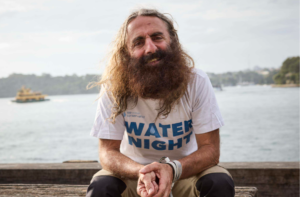
Costa Georgiadis, Water Night Ambassador, said: “Water is something most of us are fortunate to have at the turn of a tap, which makes it easy to take for granted. But we shouldn’t need restrictions or serious shortages to remind us of its value.
“Being water wise doesn’t mean turning your life upside down. Set a timer to shave a couple of minutes off your shower, water the garden in the early morning or evening rather than the middle of the day, add mulch to your garden beds and check the WELS star rating when you buy a new appliance. Small changes add up, for the planet and for your bills.”
To find out more and sign up for Water Night on 22nd October, visit waternight.com.au
Sources
* How much water does the average Australian use per day
About Water Night (Thursday, 22nd October – 5pm -10pm)
Water Night is an annual national event held on the Thursday of National Water Week. Since launching in 2020, it has engaged more than 54,000 participants, with research showing a 38% increase in participants’ water literacy and at least a 23% improvement in their understanding of how much water they use at home. More details can be found at: https://thewaterconservancy.
About The Water Conservancy
The Water Conservancy, a not-for-profit organisation that provides independent water efficiency expertise, facilitation and excellence to create a more conscious and efficient approach to water use in Australia. To learn more, visit https://thewaterconservancy.

INDEPENDENT NEWS IS IMPORTANT.
Enjoy reading Eco Voice? Please help us by purchasing a GIFT Voucher or send one to a friend and encourage people to purchase trees or seeds via The Native Shop – www.nativeshop.com.au

Plants, seeds & more delivered to your door!